
Mercado Municipal de Loulé
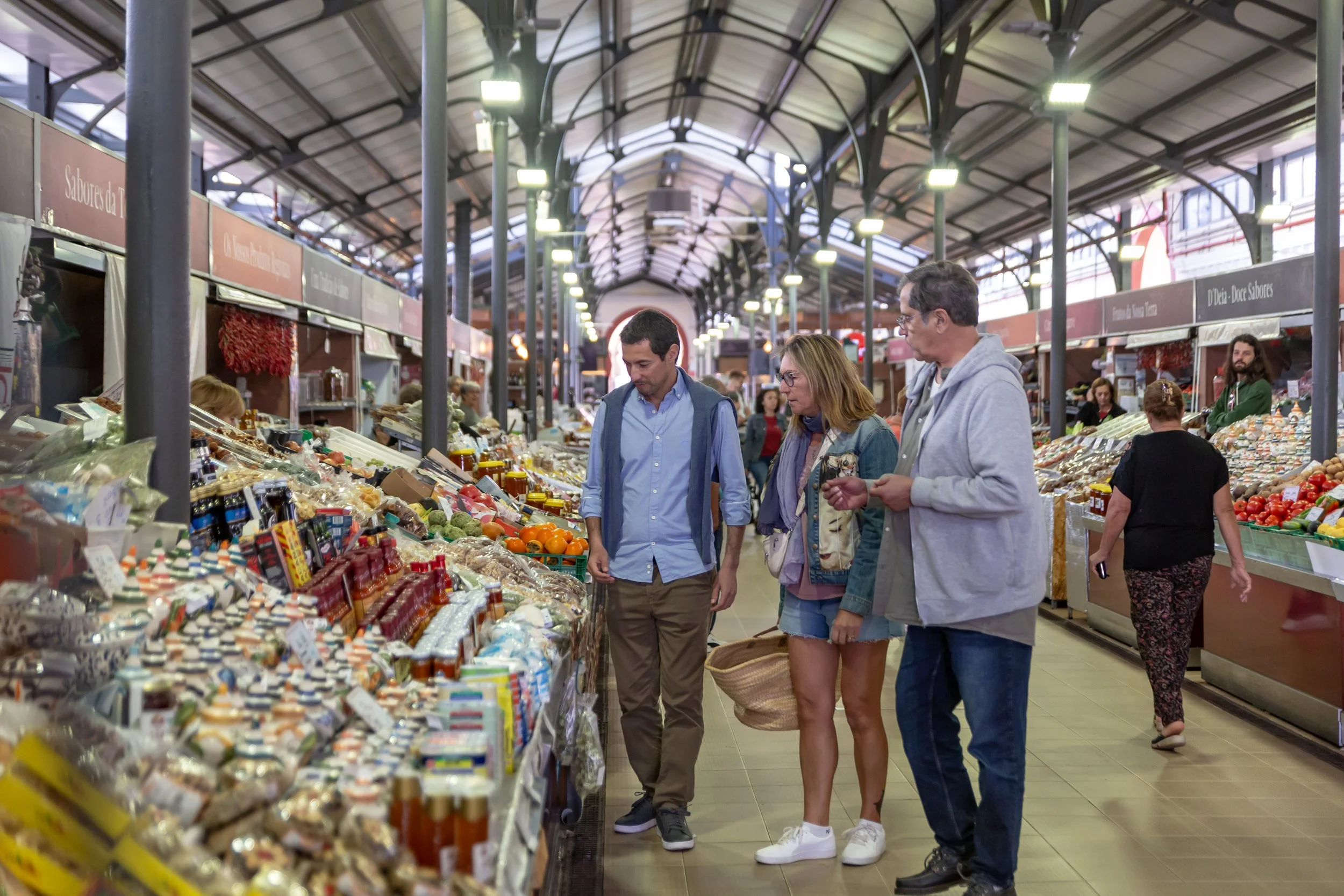
The Algarve is not only shaped by its coastline, but also by its markets — lively spaces where fishermen, farmers, and artisans have traded for centuries. Across the region, markets showcase the Algarve’s most emblematic products: just-caught fish and seafood, oranges and figs, almonds, carob, local cheeses, cured meats, honey, olives, flowers, and handmade crafts.
Housed in historic iron-and-glass buildings or simple municipal halls, these markets are social hubs as much as places of commerce. Here are the Algarve’s markets, each with its own story, character, and curiosities.
1. Mercado Municipal de Loulé
Located in the historic centre, Loulé’s market is a masterpiece of late 19th-century architecture. Opened in 1908, it blends Neo-Arabic and Art Nouveau elements.
History: Built during a period of economic growth, it replaced older open-air trading spaces.
Regular events: Weekly Saturday markets spill into the surrounding streets; occasional craft and gastronomy events are held.
Curiosities: The building’s pink façades and domes make it one of the most photographed markets in Portugal.
Parking: Underground parking at Parque de Estacionamento Municipal or nearby streets.
2. Mercados de Olhão
Olhão’s markets are one of the Algarve’s architectural icons. Built in 1916, its twin red-brick buildings with Moorish-inspired details reflect the town’s strong links to North Africa and its deep-rooted fishing heritage.
History: Designed during Olhão’s golden age of fishing, the market symbolised prosperity and openness to the sea.
Regular events: Occasional food fairs and cultural events take place in the surrounding riverside area.
Curiosities: The two separate buildings were traditionally divided between fish and fresh produce — a layout still respected today.
Parking: Underground parking is available near the market, with additional parking along the waterfront.
3. Mercado Municipal de Vila Real de Santo António
Inspired by Lisbon’s Pombaline architecture, the market of Vila Real de Santo António reflects the town’s planned 18th-century origins.
History: Built in the late 19th century to support cross-border trade with Spain.
Regular events: Weekly outdoor markets and regional product fairs.
Curiosities: From the market, Spain is just a short ferry ride across the Guadiana River.
Parking: Easy street parking around the town centre.
Mercado Municipal de Lagos
4. Mercado Municipal de Lagos
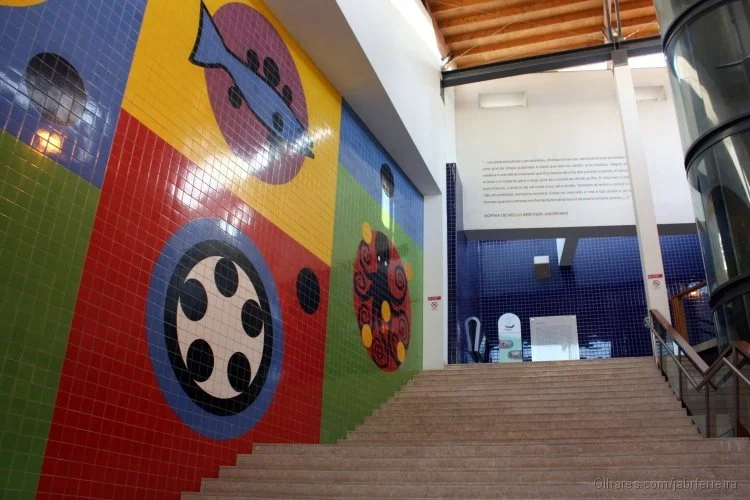
Lagos’ market sits by the marina, combining tradition with a modern coastal setting.
History: The current building dates from the late 20th century, replacing older market structures closer to the old town.
Regular events: Seasonal markets and local produce fairs, especially in summer.
Parking: Large parking areas near the marina and Avenida dos Descobrimentos.
Curiosities: The fish section is supplied daily by Lagos’ active fishing port, just minutes away.
5. Mercado Municipal de Portimão
One of the Algarve’s largest markets, Portimão’s building is functional yet lively, serving a major fishing community.
History: The current market opened in the 1980s to accommodate growing demand.
Regular events: Occasional themed markets and festive events.
Curiosities: Portimão is famous for sardines — and this market is one of the best places to buy them fresh.
Parking: Underground parking beneath the building.
6. Mercado Municipal de Silves
Silves’ market reflects the town’s agricultural roots.
History: The present structure dates from the mid-20th century, replacing earlier open markets.
Regular events: Weekly farmers’ markets featuring local produce.
Curiosities: Silves’ fertile soils have long supplied fruit to the entire region.
Parking: Street parking nearby, especially around the riverside area.
7. Mercado Municipal de Faro
Right in the heart of the city, Faro’s market is a daily snapshot of urban Algarve life, combining tradition with convenience.
History: Built in the 20th century as part of Faro’s urban development, the market was designed to serve a growing city while remaining close to the historic centre.
Regular events: Occasional organic, artisanal, and themed markets take place inside the building or in the surrounding streets.
Curiosities: Much of the fish sold here comes directly from the Ria Formosa lagoon and nearby Atlantic waters, often arriving early in the morning.
Parking: One of the market’s biggest advantages is its underground car park, located directly beneath the building. It offers easy access to the stalls and is ideal for visitors shopping for fresh produce. Additional parking options are available nearby, including Largo de São Francisco and other city-centre garages.
8. Mercado Municipal de Tavira
Tavira’s market lies along the Gilão River, blending commerce with scenic views.
History: Opened in 1999, replacing an older riverside market.
Regular events: Saturday markets and seasonal fairs.
Curiosities: Tavira’s market reflects the eastern Algarve’s calmer, more traditional pace.
Parking: Parking along the riverfront and nearby streets.
9. Mercado Municipal de São Brás de Alportel
Small and authentic, this inland market serves a strong local community.
History: Built in the mid-20th century to support rural trade.
Regular events: Weekly markets and occasional local festivals.
Curiosities: Expect excellent honey, cheeses, and cured meats from the surrounding hills.
Parking: Easy parking around the building.
Visiting Algarve markets: practical tips
Best time to visit: Early morning for the freshest produce.
What to buy: Fish and seafood, citrus fruit, figs, almonds, olive oil, and regional sweets.
Etiquette: A friendly greeting goes a long way — markets are social spaces.
From the monumental halls of Olhão and Loulé to the intimate stalls of São Brás de Alportel, Algarve markets offer a genuine taste of the region’s soul — where tradition, flavour, and daily life meet under one roof.
