
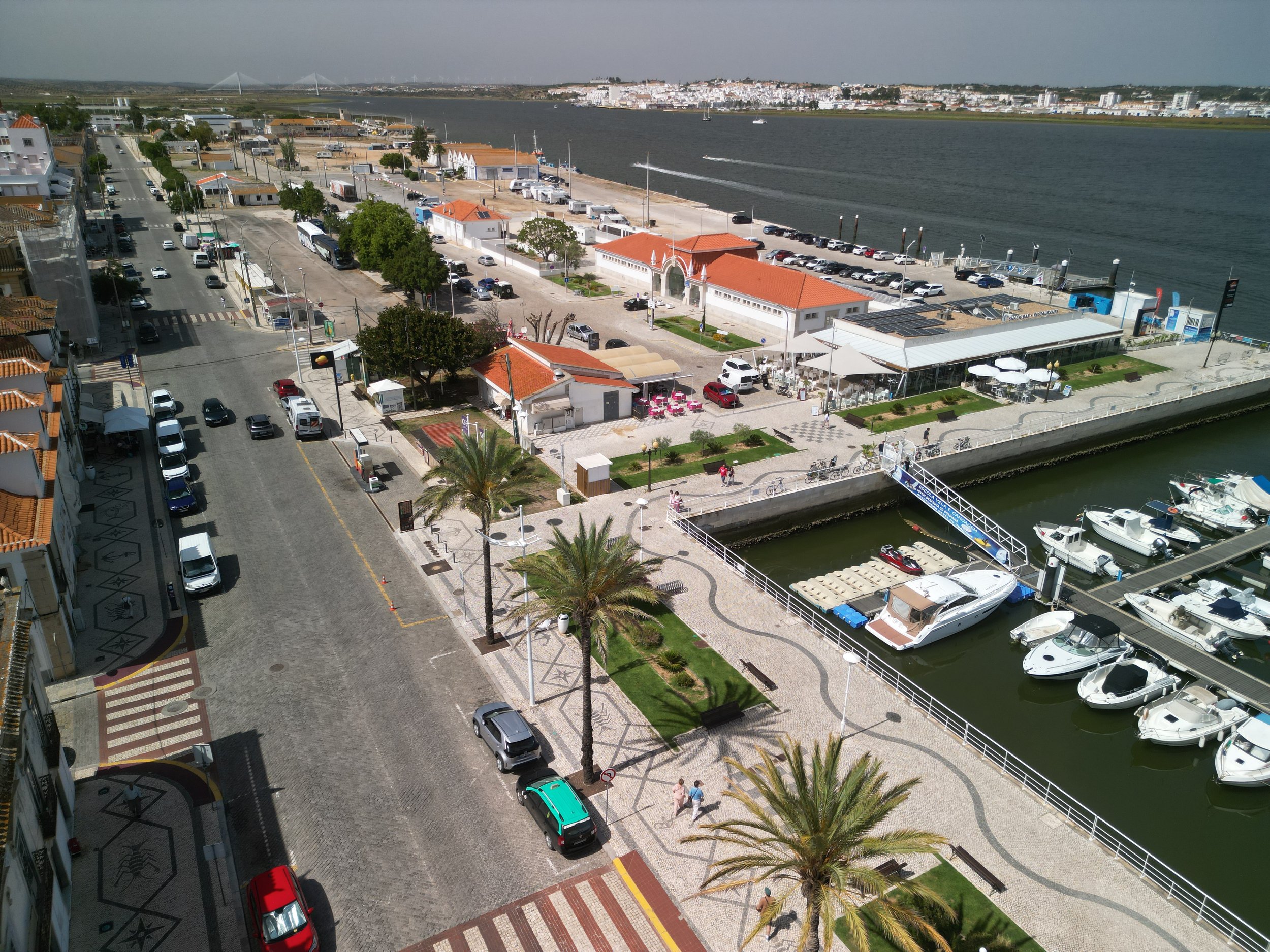
Aerial view of Vila Real de Santo António
Vila Real de Santo António sits on the right bank of the River Guadiana, staring straight across the water at Spain. Unlike most Algarve towns, it wasn't built up slowly over centuries — it was laid out in under two years in 1774, on the orders of the Marquês de Pombal, in the same rational grid style he used to rebuild Lisbon after the great earthquake.
The result is a town that feels different from its neighbours: wide, orderly streets, a grand central square, and a working relationship with the river that has never gone away.
Beyond the town itself, the municipality stretches from the pine-backed dunes of Monte Gordo to the whitewashed lanes of Cacela Velha, one of the best-preserved villages on the entire Algarve coast.
Here is a guide to the best places to visit in Vila Real de Santo António, along with practical tips for your journey.
1. Praça Marquês de Pombal
Location: The heart of the historic centre, a short walk from the riverfront.
Getting there: Easily reached on foot from anywhere in the old town; the grid layout makes navigation simple.
Parking: Paid parking is available along Avenida da República and in nearby side streets; the square itself is pedestrian.
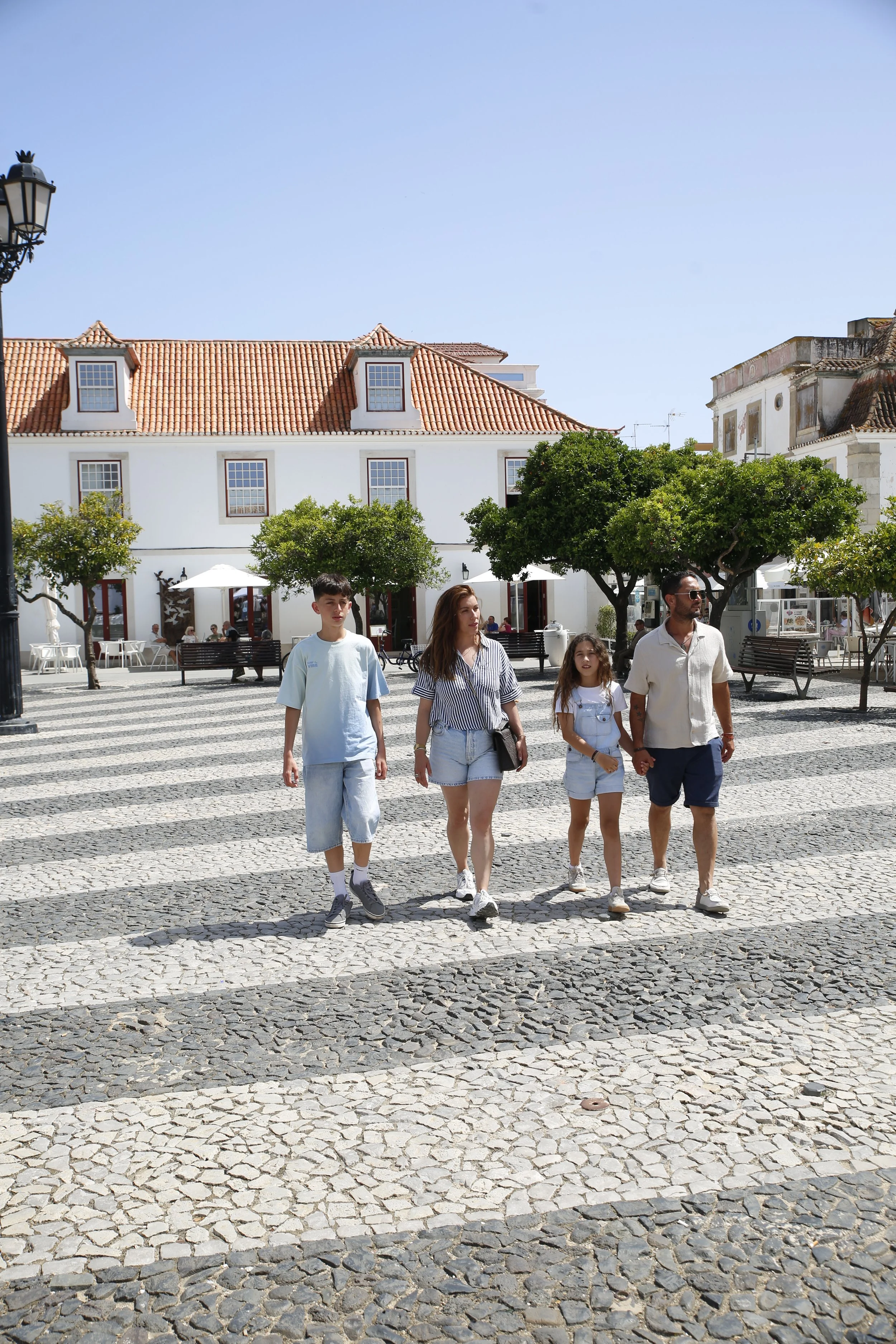
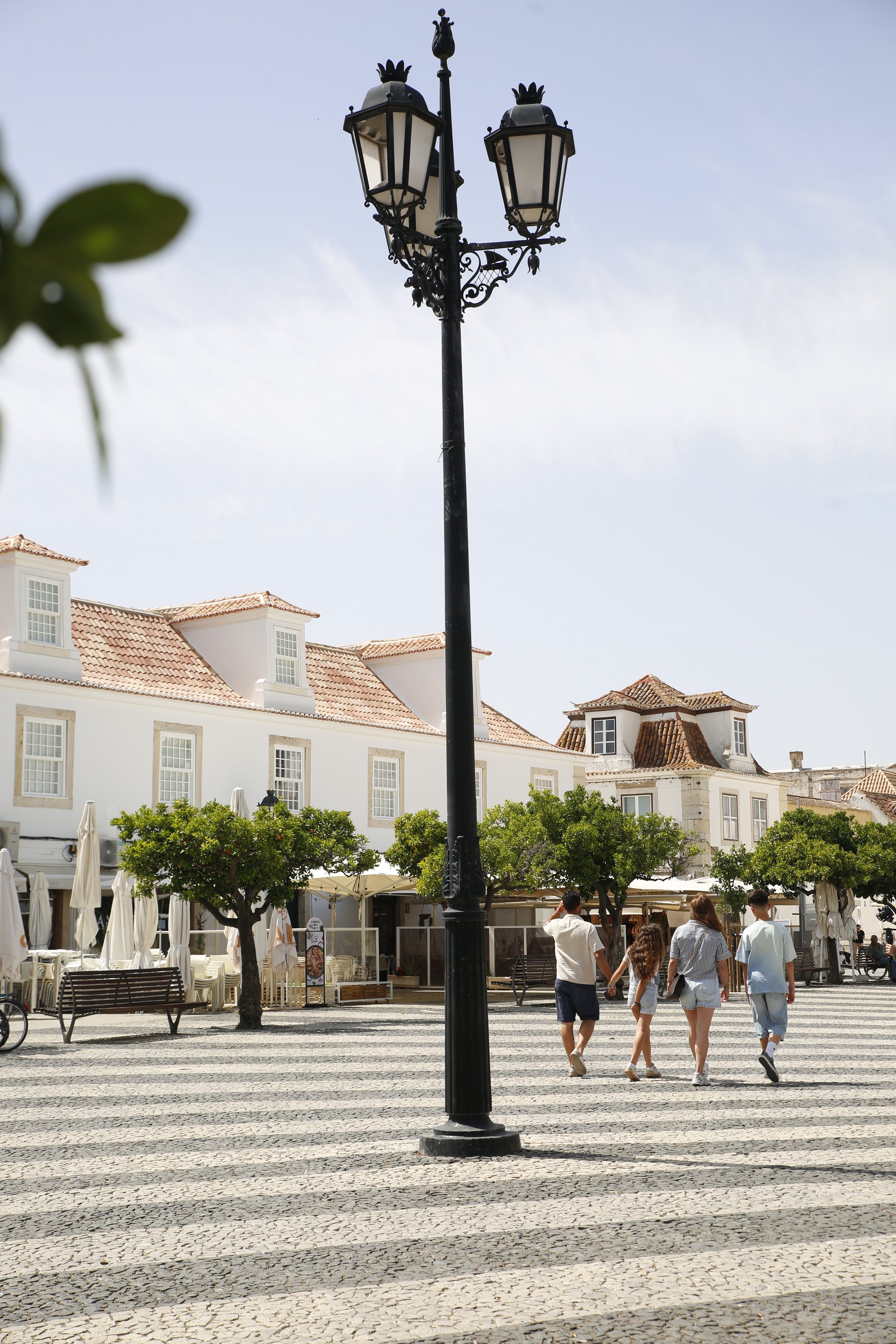
About: A perfectly symmetrical, radial-patterned square paved in black-and-white Portuguese cobblestone, with an obelisk at its centre. It is the clearest surviving example of Pombal's 18th-century urban plan.
Curiosities: The square doubles as an open-air stage: it hosts the town's religious processions, its historic reenactment festival, and the food stalls of the autumn Feira da Praia.
Nearby: The Igreja de Nossa Senhora da Encarnação, the parish church that anchors the square's festivities.
2. Guadiana River Ferry to Ayamonte
Location: Departs from the riverside terminal near the marina.
Getting there: Walk along the marginal riverfront promenade to the ferry pier; the crossing itself takes around 15 minutes.
Parking: Public parking is available near the marina and along Avenida da República.
About: A passenger ferry links Vila Real directly to Ayamonte on the Spanish side of the Guadiana, making a day trip into Andalusia entirely possible without a car.
Curiosities: The river here marks the natural border between Portugal and Spain, and the ferry has carried passengers back and forth long before the road bridge further upstream existed.
Nearby: Boat trips also depart from the same stretch of river for longer cruises up the Guadiana, some continuing as far as the Alentejo town of Mértola.
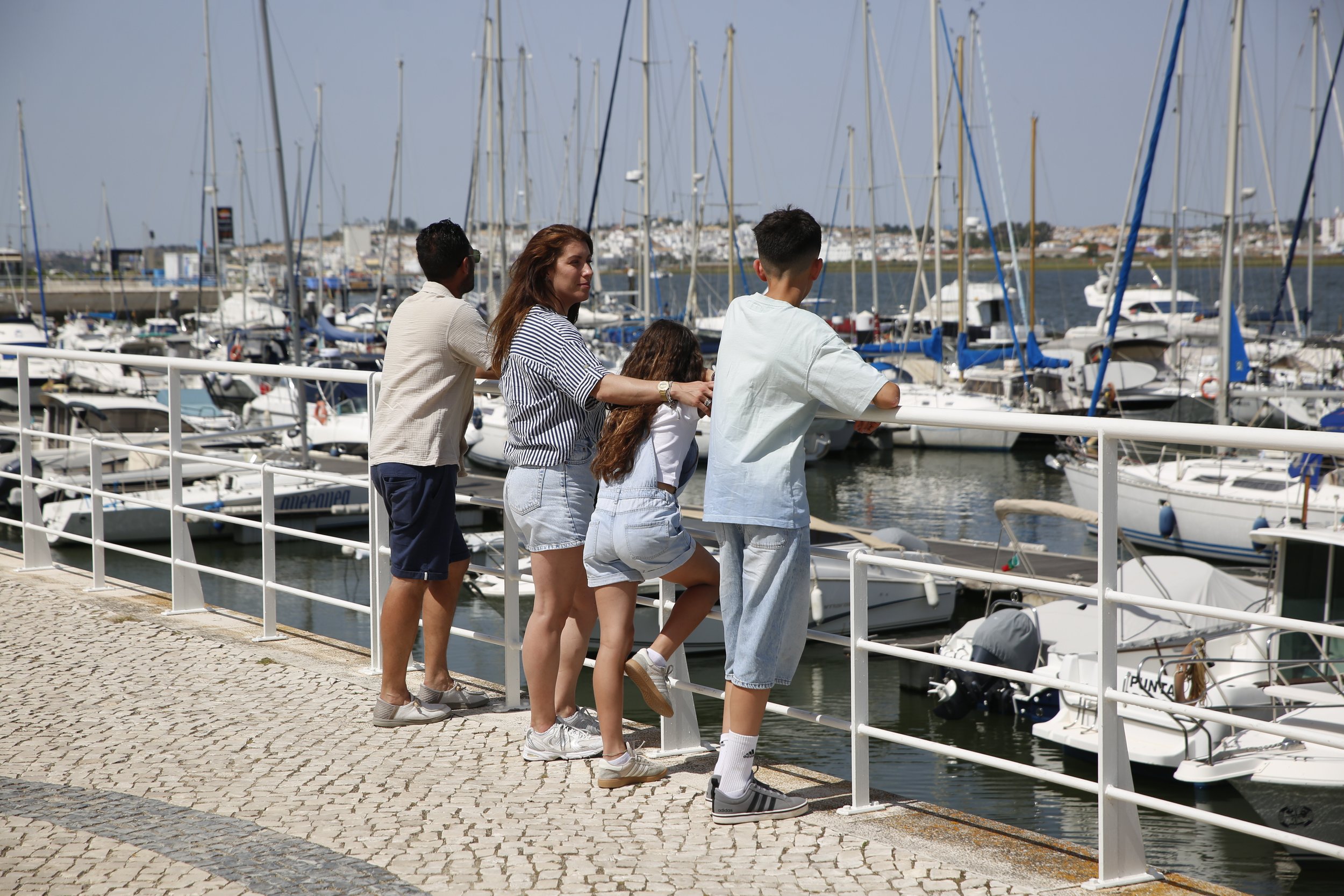
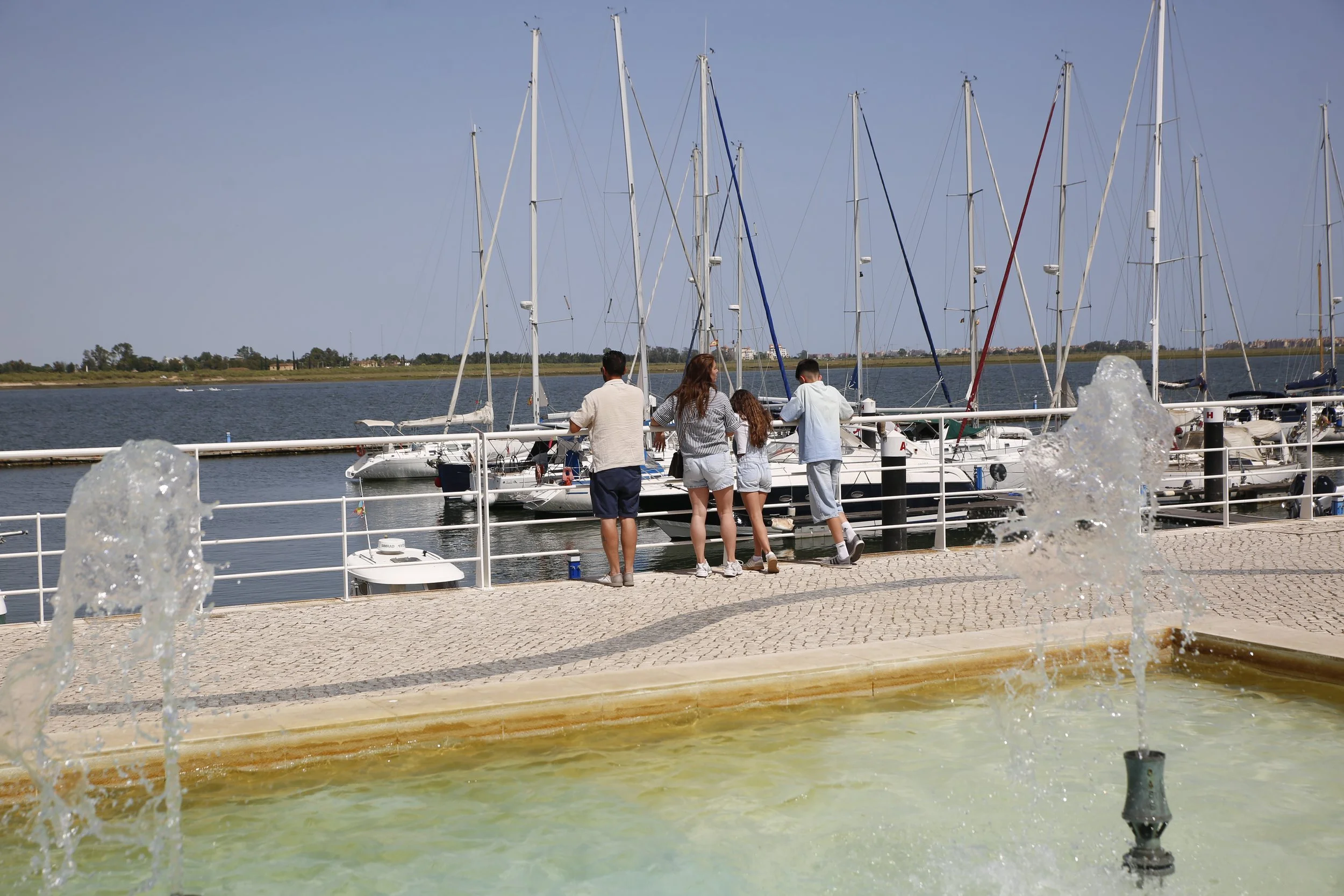
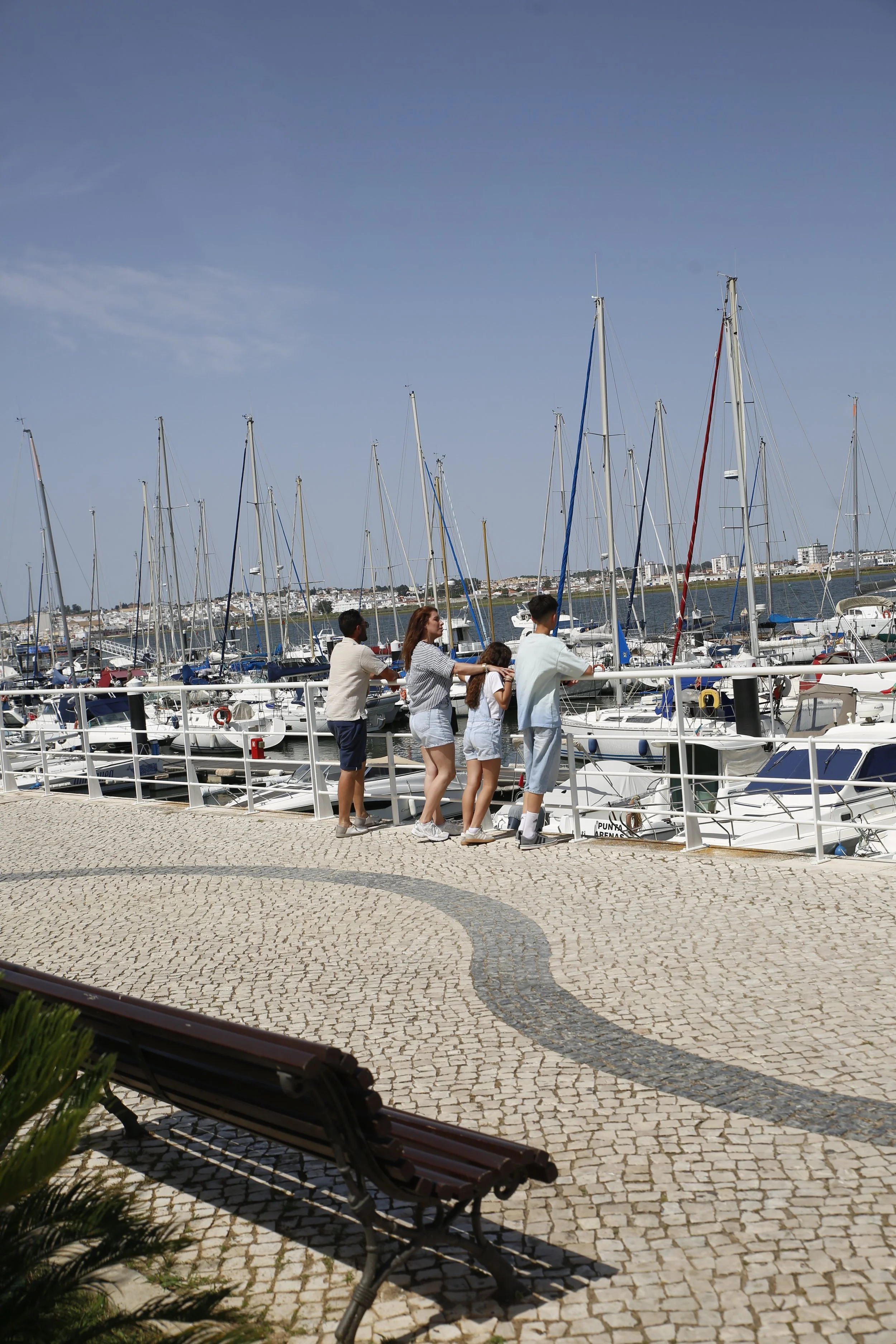
3. Marina de Vila Real de Santo António
Location: Along the Guadiana riverfront, next to the town centre.
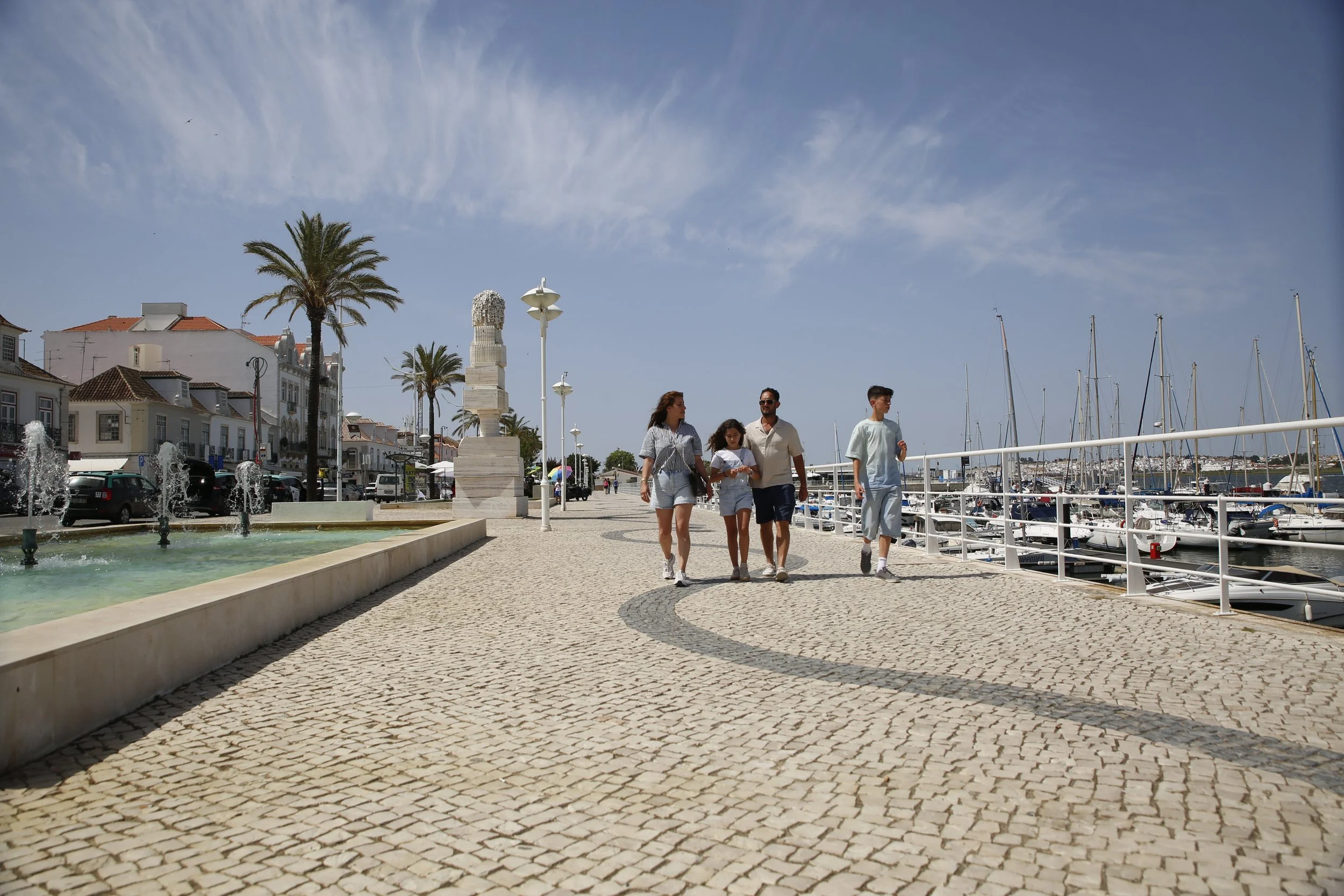
Getting there: A pleasant walk along the marginal promenade from Praça Marquês de Pombal.
Parking: Free and paid parking available along the marginal avenue.
About: A modern marina with capacity for over 350 boats and a floating pontoon dock, it's the departure point for sailing, canoeing, paddleboarding, and sport fishing on the river.
Curiosities: As one of the last ports before the Guadiana reaches the Atlantic, it has long served as a natural gateway between the Algarve and Andalusia.
Nearby: The riverside gardens along Avenida da República, popular for an evening stroll or an outdoor concert in summer.
4. Praia de Santo António and Mata Nacional das Dunas Litorais
Location: South of the town centre, at the mouth of the Guadiana.
Getting there: A signposted pedestrian and cycle path connects the centre to the beach; a tourist train also runs the route in summer.
Parking: Limited parking near the beach access points; walking or cycling is the more practical option in high season.
About: Thanks to its position near the mouth of the Guadiana and its shelter from the open Atlantic, this beach has some of the warmest sea water in the Algarve. Just behind it lies the Mata Nacional das Dunas Litorais, at 440 hectares the largest forest in the Algarve.
Curiosities: Locals and visitors alike use the forest for running and picnics — and if you look closely among the branches, you might spot one of its resident chameleons.
Nearby: Praia dos Três Pauzinhos, another dune-backed stretch of sand reachable by the same tourist train.
5. Monte Gordo
Location: West of Vila Real de Santo António, forming the western half of the municipality.
Getting there: A short drive or bus ride along the N125 from the town centre.
Parking: Ample paid parking near the seafront and casino area.
About: One of the Algarve's classic resort beaches — a vast open bay of golden sand with no rocks to interrupt the view, backed by a lively promenade of cafés and restaurants.
Curiosities: At low tide, it's common to see locals digging for clams buried in the sand. The town's casino is also one of the largest on the Algarve coast.
Nearby: The Igreja de Nossa Senhora das Dores, whose origins are believed to be as old as the fishing settlement itself.
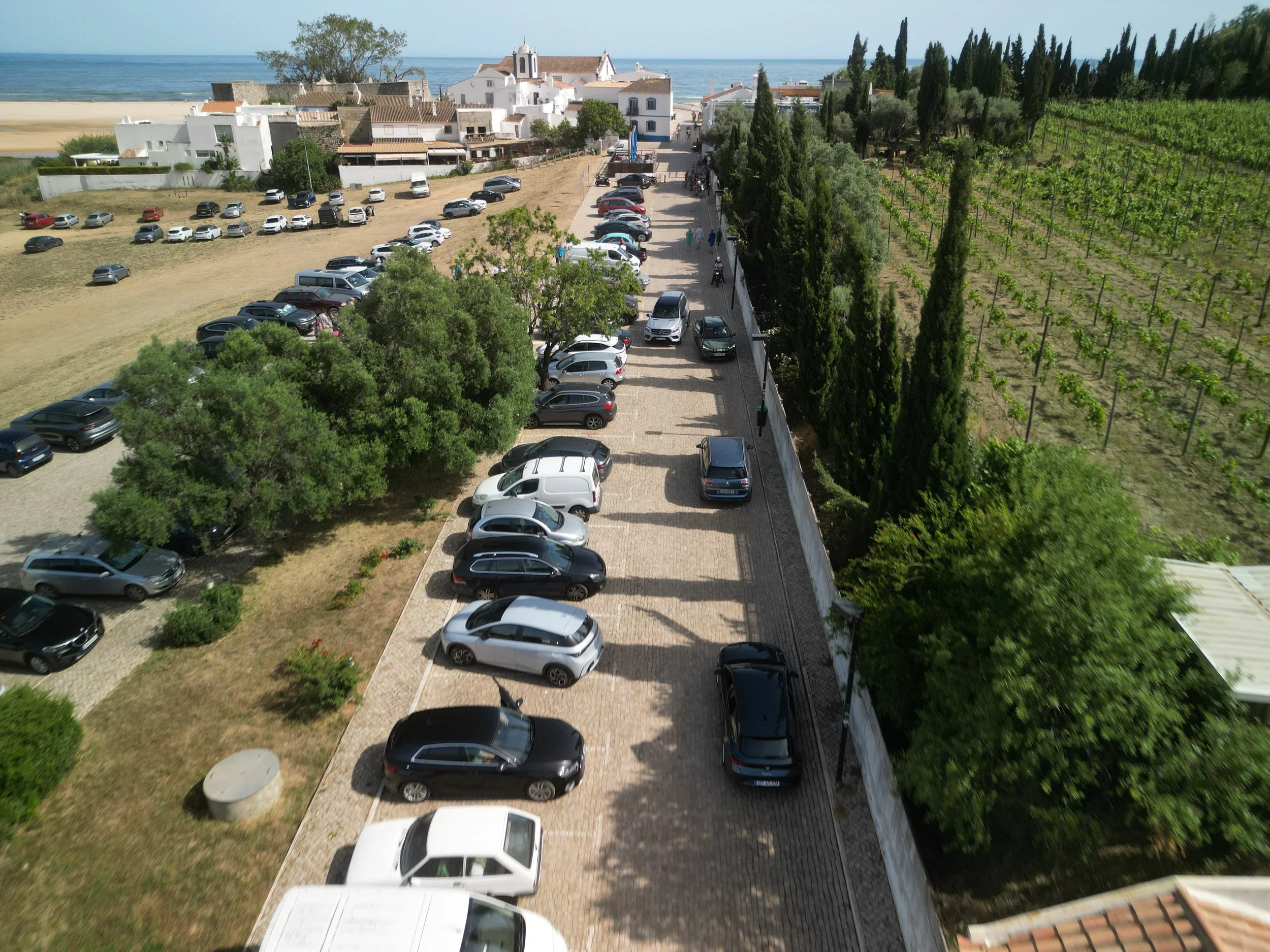
6. Cacela Velha
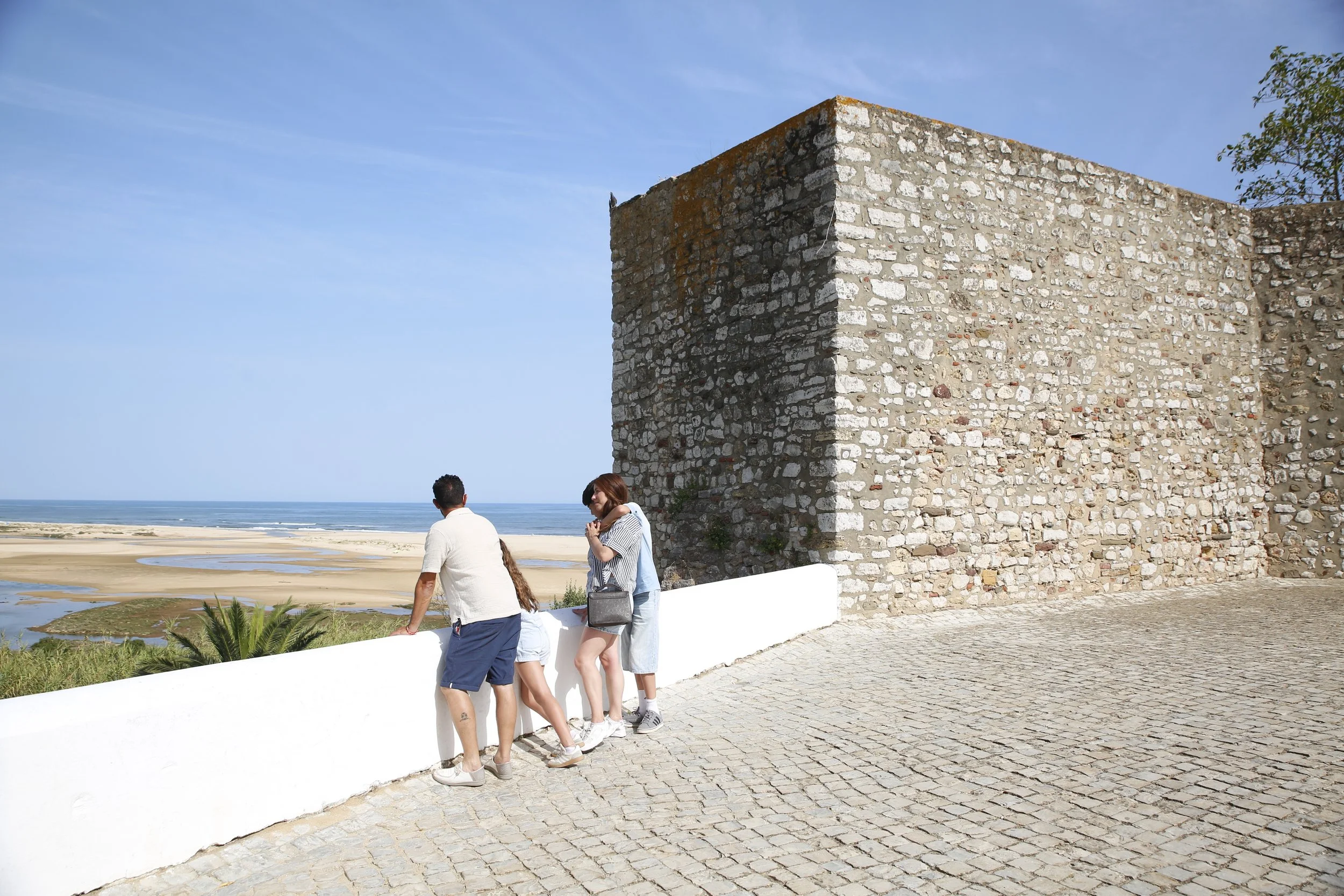
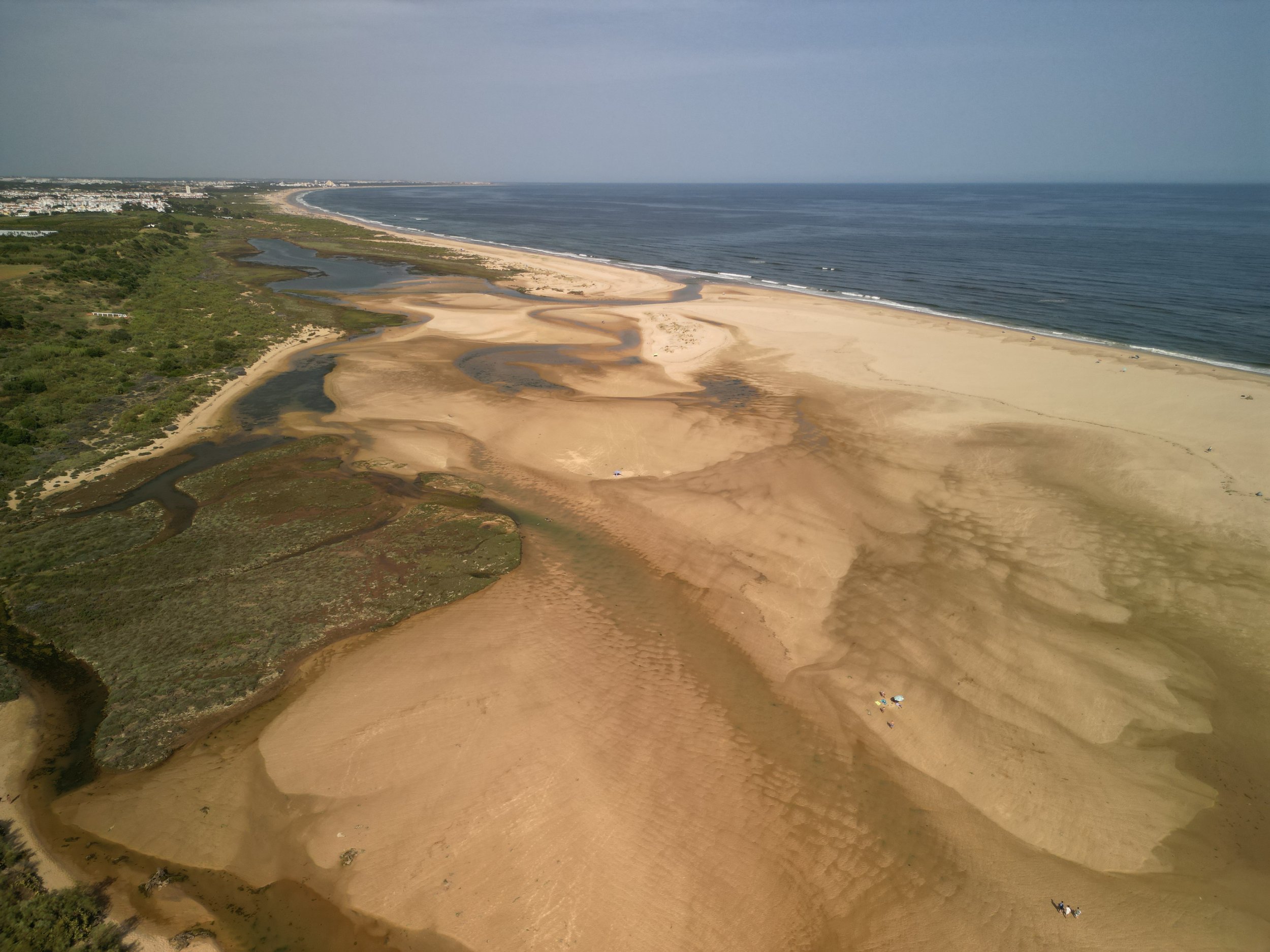
Location: In the eastern parish of Vila Nova de Cacela, on a clifftop overlooking the Ria Formosa.
Getting there: By car via the N125, following signs toward Cacela Velha; the village itself is largely pedestrian.
Parking: A car park is available just outside the village entrance.
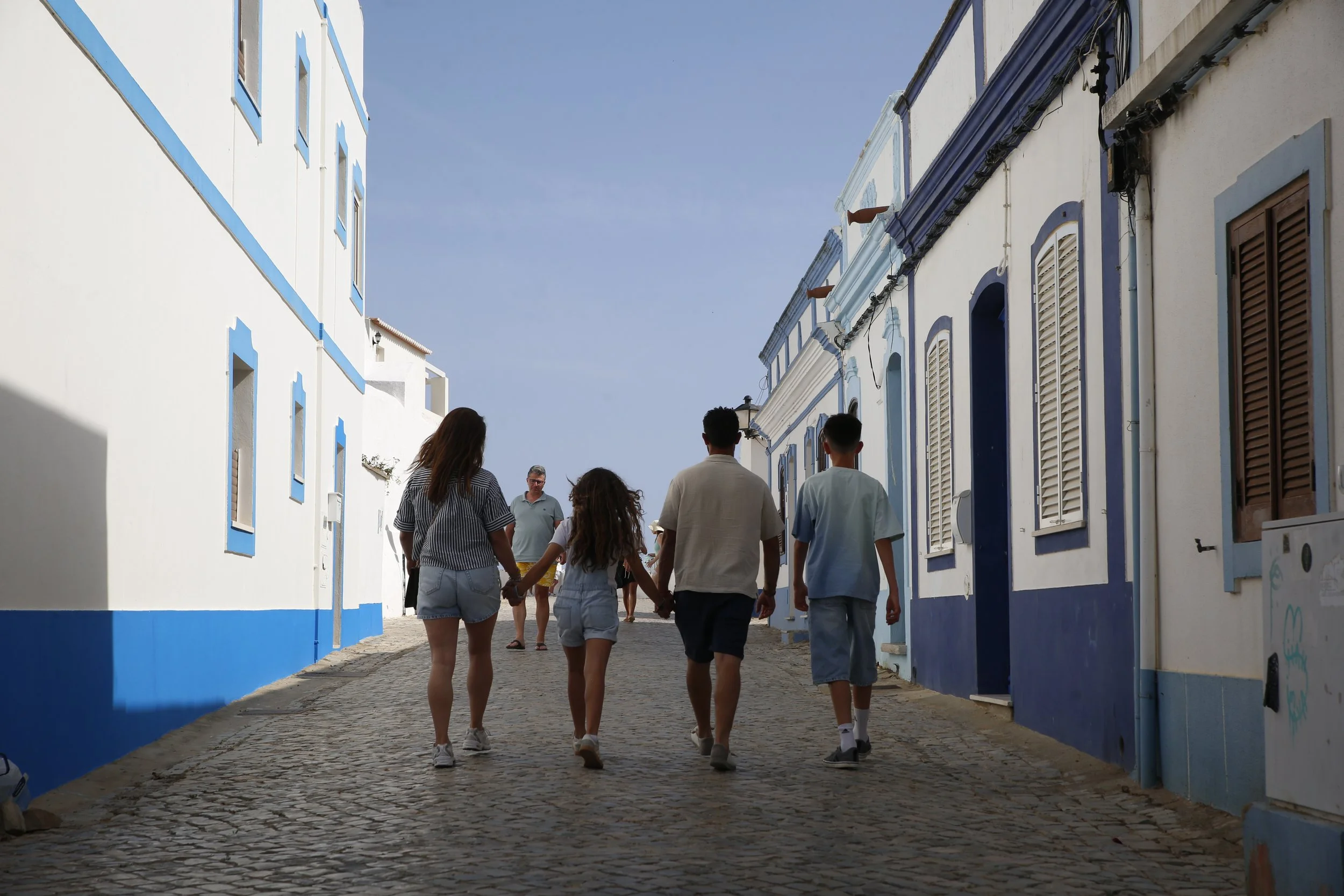
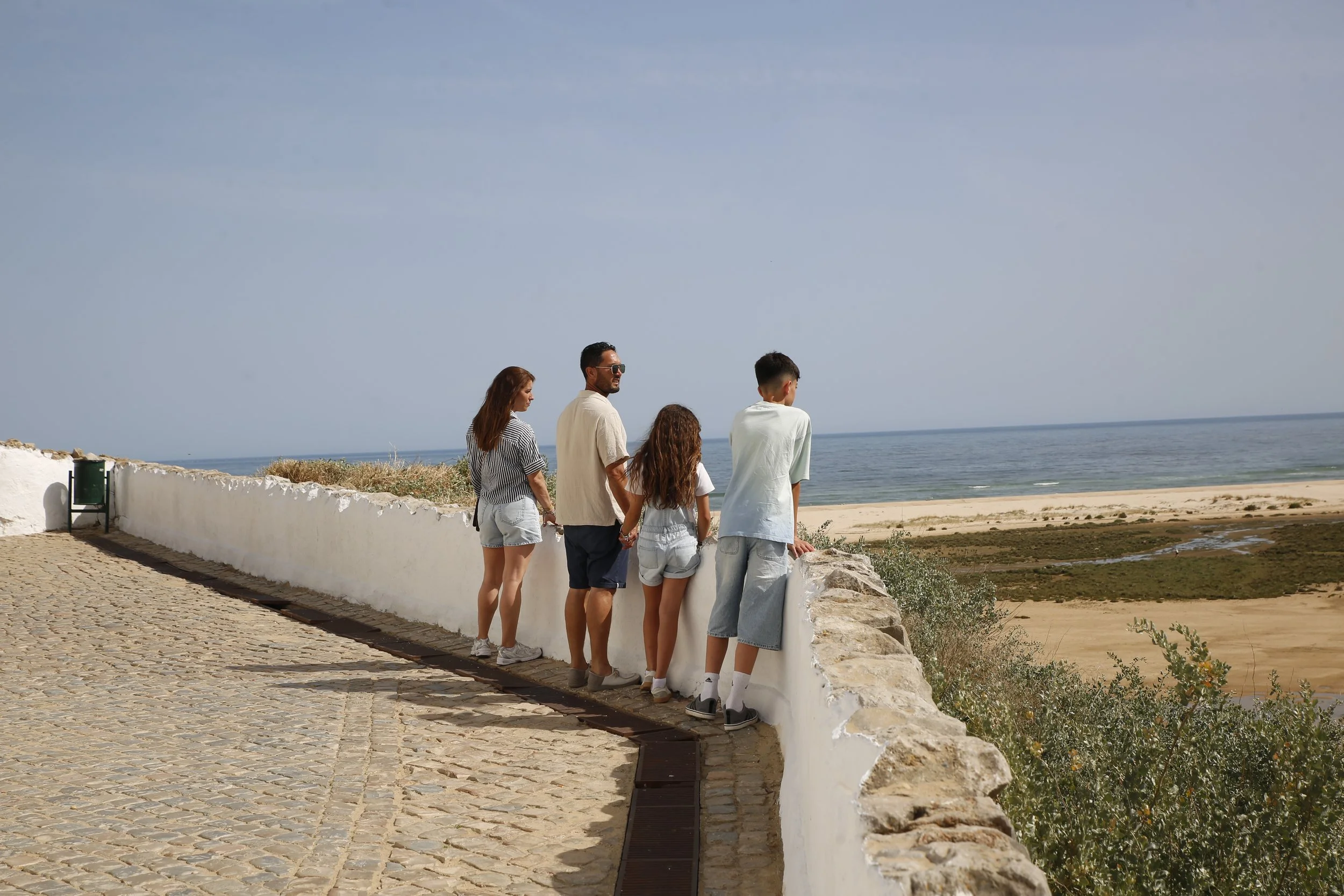
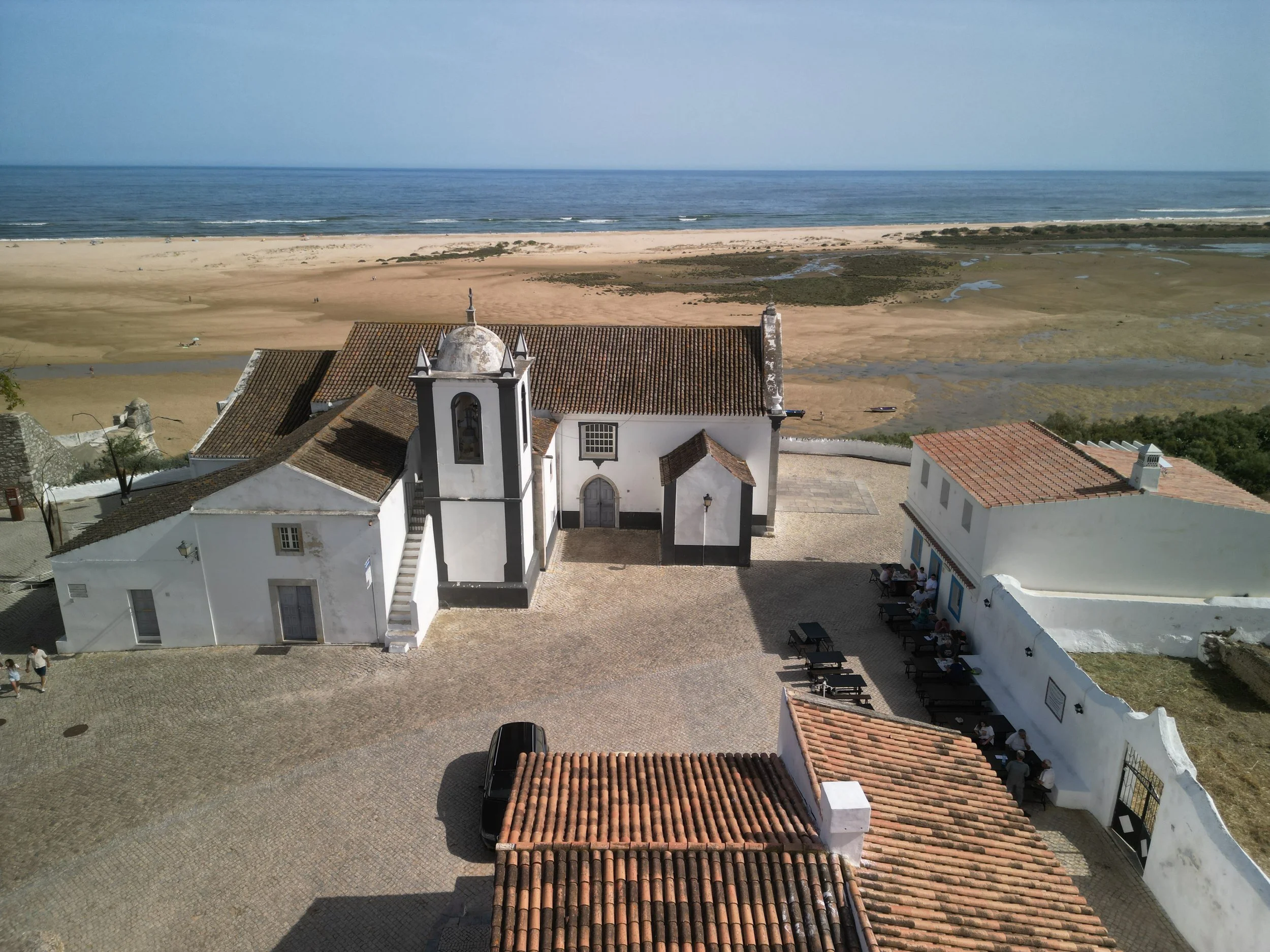
About: A tiny, immaculately preserved hilltop village of whitewashed houses, considered one of the jewels of the municipality's heritage. From its clifftop edge, it looks out over the lagoons and channels where the Ria Formosa begins.
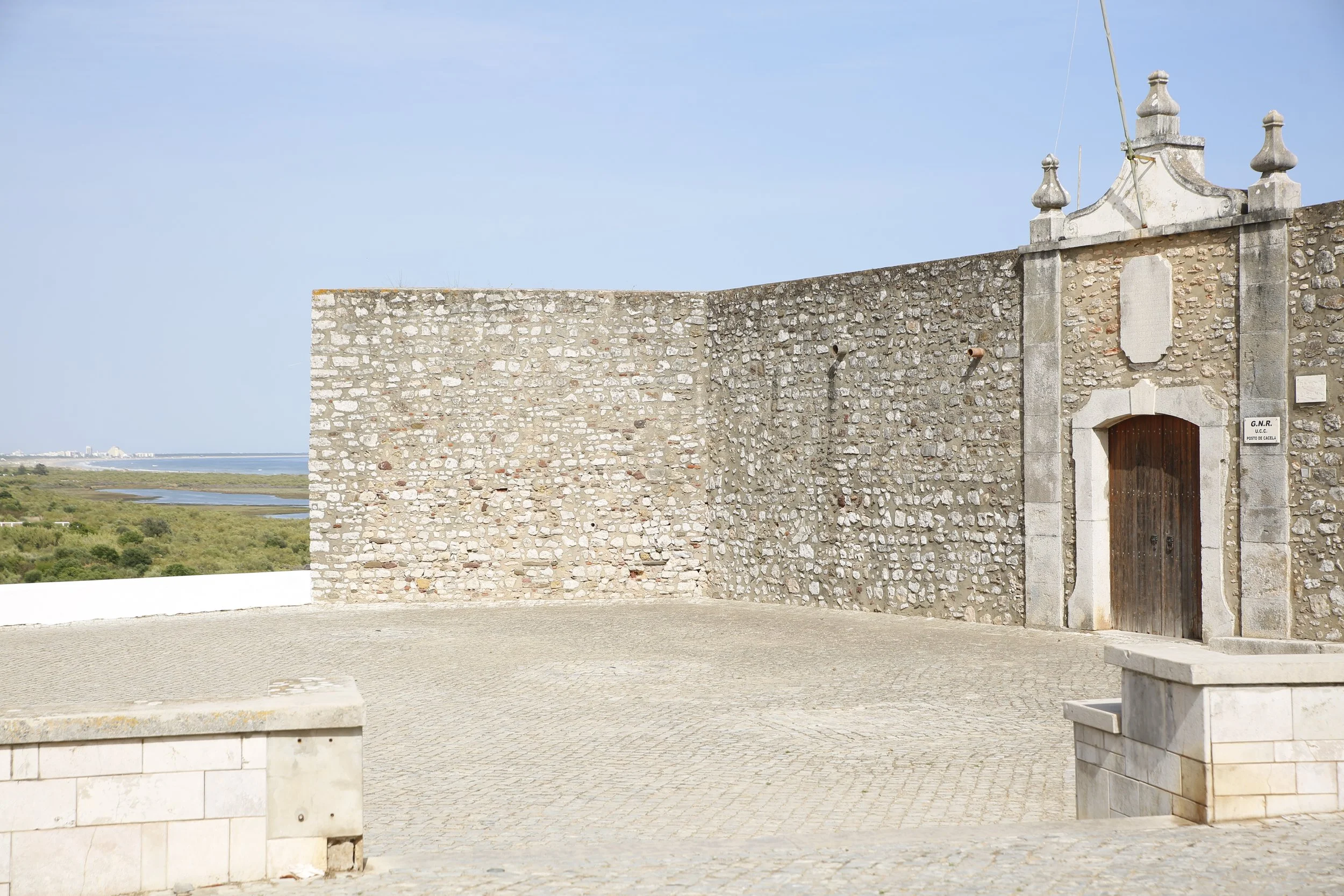
Curiosities: Classified as a Property of Public Interest since 1983, the village still holds an 18th-century Misericórdia house, a 16th-century câmara building — the oldest in the village — and a medieval cistern at the centre of its main square.
Nearby: The orange orchards of Cacela's surrounding countryside, and walking trails along the edge of the Ria Formosa marshes.
7. Praia Verde and Manta Rota
Location: Along the eastern coastline of the municipality, between Monte Gordo and Cacela Velha.
Getting there: By car via the N125, with signposted turnoffs to each beach.
Parking: Free and paid parking areas near the main beach accesses.
About: Praia Verde takes its name from the pine forest that runs down almost to the sand, while Manta Rota is a quieter fishing settlement turned beach village with a long, wide stretch of coast.
Curiosities: Manta Rota is the stage for the São João da Degola festival each August, when locals dress as "montanheiros" and re-enact a traditional ritual sea bath at midnight.
Nearby: Altura, another low-key beach town along the same coastal stretch, popular with families.
Regular events in Vila Real de Santo António
The municipality's calendar is busiest in summer, when religious tradition and open-air festivals fill its squares and beaches:
Noites da Moura Encantada (July): Cacela Velha transforms for a weekend into a scene from the Arabian Nights, with the village's narrow lanes lit up for an immersive celebration of its Moorish past.
São João da Degola (24–30 August): A traditional fishing-community festival in Manta Rota, culminating in the midnight "Banho Santo" ritual sea bath.
Festas em Honra de Nossa Senhora da Encarnação (early September): Vila Real's own patron saint festival, with a solemn procession accompanied by fishing boats on the Guadiana, concerts in Praça Marquês de Pombal, and fireworks over the river.
Festa de Nossa Senhora das Dores (September): Monte Gordo's end-of-summer celebration, with a funfair beside the casino and fireworks over the bay.
Feira da Praia (October): A large open-air market along Avenida da República and Praça Marquês de Pombal, tracing its roots back to the town's founding in 1774 and still drawing thousands of visitors, many crossing over from Spain.
